>>
30-MINUTE MEALS! Get the email series now →


Buttery, flaky croissants made from laminated dough at home. Detailed, step-by-step guidance to shape, proof, and bake perfect French croissants.

This recipe is my favorite weekend baking project: homemade French croissants with deep golden layers and a tender, buttery crumb. I first learned the basics after watching a baker at a local patisserie roll and fold dough for hours; the result was so intoxicating that I set out to replicate that flaky texture in my kitchen. Over several trials I refined resting times, folding technique, and proofing cues until my family declared these croissants worthy of a slow Saturday morning. The long process rewards patience with light, crisp layers and a rich, slightly sweet finish that pairs beautifully with coffee or jam.
I love how this method blends technical technique with comfort: laminating dough is a tactile meditation, and cracking open a hot croissant to reveal airy honeycomb layers is the payoff. These are made with familiar pantry ingredients measured in standard US units. Expect several rounds of resting and chilling rather than constant active work; the hands-on time is manageable and the hands-off time allows flavors to develop. I include detailed visual cues, temperatures, and troubleshooting throughout so you can reproduce bakery-style results at home.
In my house, these croissants became a ritual. One rainy morning the family gathered around the oven as the first batch came out, and the silence as everyone took their first bite said it all. My partner declared them the best I had made, our neighbor asked for the method, and the leftovers were finished the next day toasted with ham and gruyere. The process taught me patience: precise chilling and respectful handling of the butter are the real keys to success.

My favorite part is the moment the first batch emerges from the oven: the intense aroma of browned butter and baked dough draws everyone to the kitchen. I once made a batch for a small brunch and a guest who seldom eats pastries asked for the recipe. Over time I tweaked the resting schedule to suit my refrigerator and found that an overnight proof makes shaping easier the next morning while deepening the flavor.

Store cooled croissants in an airtight container at room temperature for up to 24 hours; beyond that they begin to lose crispness. For longer storage, wrap individually in foil and freeze for up to one month. To refresh frozen croissants, thaw at room temperature if time allows, then reheat in a 350 degree Fahrenheit oven for 5 to 10 minutes until warmed through and the crust is crisped. Avoid microwaving for long periods; it makes the crust chewy. Use parchment or rigid containers to prevent crushing during storage.
If you prefer a lighter butter flavor, substitute half of the butter block with European-style butter for higher fat content and richer taste. For a slightly lower dairy option use a neutral oil in the dough portion only, but keep the butter block as butter for lamination because oil will not layer. If active dry yeast is unavailable, use instant yeast at 3/4 the amount and mix directly into the flour. Whole milk gives best richness, but 2 percent works fine. For a slightly sweeter pastry, glaze finished croissants with a thin sugar syrup.
Serve warm with plain butter and jam, or make ham and gruyere sandwiches for a savory treat. Pair with strong coffee, a latte, or a glass of fresh orange juice for brunch. Garnish with a light dusting of powdered sugar for sweet versions or brush lightly with honey for a glossy finish. For an indulgent breakfast, split croissants and add scrambled eggs and smoked salmon with dill for a brunch centerpiece.
Although the crescent-shaped viennoiserie is deeply associated with French patisserie, its laminated technique links to Central European viennoiserie traditions. The modern croissant evolved in France in the 19th century from Austrian kipferl and grew into the laminated, butter-rich version known worldwide. Regional variations exist across France and beyond, from plain butter croissants to almond-filled versions and savory twists. The method of layering fat and dough to create steam-driven flakiness is a hallmark of this pastry family.
In autumn, fold in a thin layer of spiced apple compote or add a smear of pumpkin butter before rolling for a seasonal twist. In summer, fill with lightly sweetened lemon curd or fresh berries and pastry cream. For holiday gatherings, top with sliced almonds and a light sugar glaze or transform a batch into mini ham and cheese croissants for savory party bites. The basic technique adapts well to fillings but avoid overly wet fillings that can weigh down layers.
Break the process into manageable stages to fit your schedule: make the dough and refrigerate overnight after the first chill, then complete laminations and shape the next day. Shaped but unproofed croissants freeze individually on trays and store in freezer bags; when needed, move to the refrigerator overnight and then proof at room temperature before baking. Keep a small digital thermometer and a timer handy to hit the recommended temperatures and rest periods precisely.
Making croissants at home brings a bit of patisserie into your kitchen and rewards patience with remarkable texture. Share them fresh, and encourage friends to experience the simple pleasure of warm layers of butter and dough.
Keep the butter and dough cold; if butter softens, chill before continuing to keep distinct layers.
Use a ruler when rolling to aim for consistent triangle sizes for even baking and uniform layers.
Perform three single folds with chilling in between; more folds will overwork the butter and increase risk of melting during work.
This nourishing homemade french croissant recipe is sure to be a staple in your kitchen. Enjoy every moist, high protein slice — it is perfect for breakfast or as a wholesome snack any time.
Yes. Shaped croissants can be frozen before proofing for up to one month. Freeze on a tray then transfer to a bag and bake from frozen, adding time to proof and bake.
Use a thermometer to ensure the milk is between 100 and 110 degrees Fahrenheit to activate the yeast without killing it. If the milk is too hot the yeast will not bloom.
This Homemade French Croissant recipe makes perfectly juicy, tender, and flavorful steak every time! Serve with potatoes and a side salad for an unforgettable dinner in under 30 minutes.
Warm milk to 100-110 degrees Fahrenheit and bloom yeast for 5-8 minutes until foamy. Combine flour, sugar and salt, add yeast mixture and melted butter, and mix until a smooth but slightly tacky dough forms. Knead briefly by hand or mixer for 3-4 minutes.
Shape the dough into a rectangle, wrap tightly, and chill for 30-45 minutes to relax gluten and firm the dough for lamination.
Place cold butter between parchment and roll into a 6x6 inch square about 1/4 inch thick. Keep cold and store in the refrigerator until ready to encase in dough.
Roll dough to roughly 10x14 inches, place butter on lower two-thirds, fold top third over and then bottom third over that to enclose. Seal edges and chill 20-30 minutes.
Roll to 8x24 inches and do a letter fold (single fold). Rotate 90 degrees, wrap and chill 30-45 minutes. Repeat two more times for a total of three folds, chilling between each.
Roll to a 8x24 inch rectangle about 1/8 to 1/4 inch thick. Trim edges, cut into triangles about 4 inches wide at the base, stretch gently, roll from base to tip and shape into crescents.
Proof at about 75 degrees Fahrenheit for 1 1/2 to 2 hours until croissants are jiggly and puffy. Alternatively proof overnight in the refrigerator for a slower rise and better flavor.
Preheat oven to 400 degrees Fahrenheit. Brush with egg and milk wash and bake for 18-22 minutes until deep golden, rotating pans halfway through.
Cool on a rack for 10-15 minutes to set layers. Serve warm or reheat at 350 degrees Fahrenheit for 5-8 minutes to refresh. Store leftovers at room temperature for a day or freeze for longer storage.
Last Step: Please leave a rating and comment letting us know how you liked this recipe! This helps our business to thrive and continue providing free, high-quality recipes for you.
Leave a comment & rating below or tag
@yummyhues on social media!

Thinly sliced russet potatoes brushed with butter and baked until the edges are crisp and the centers are tender.
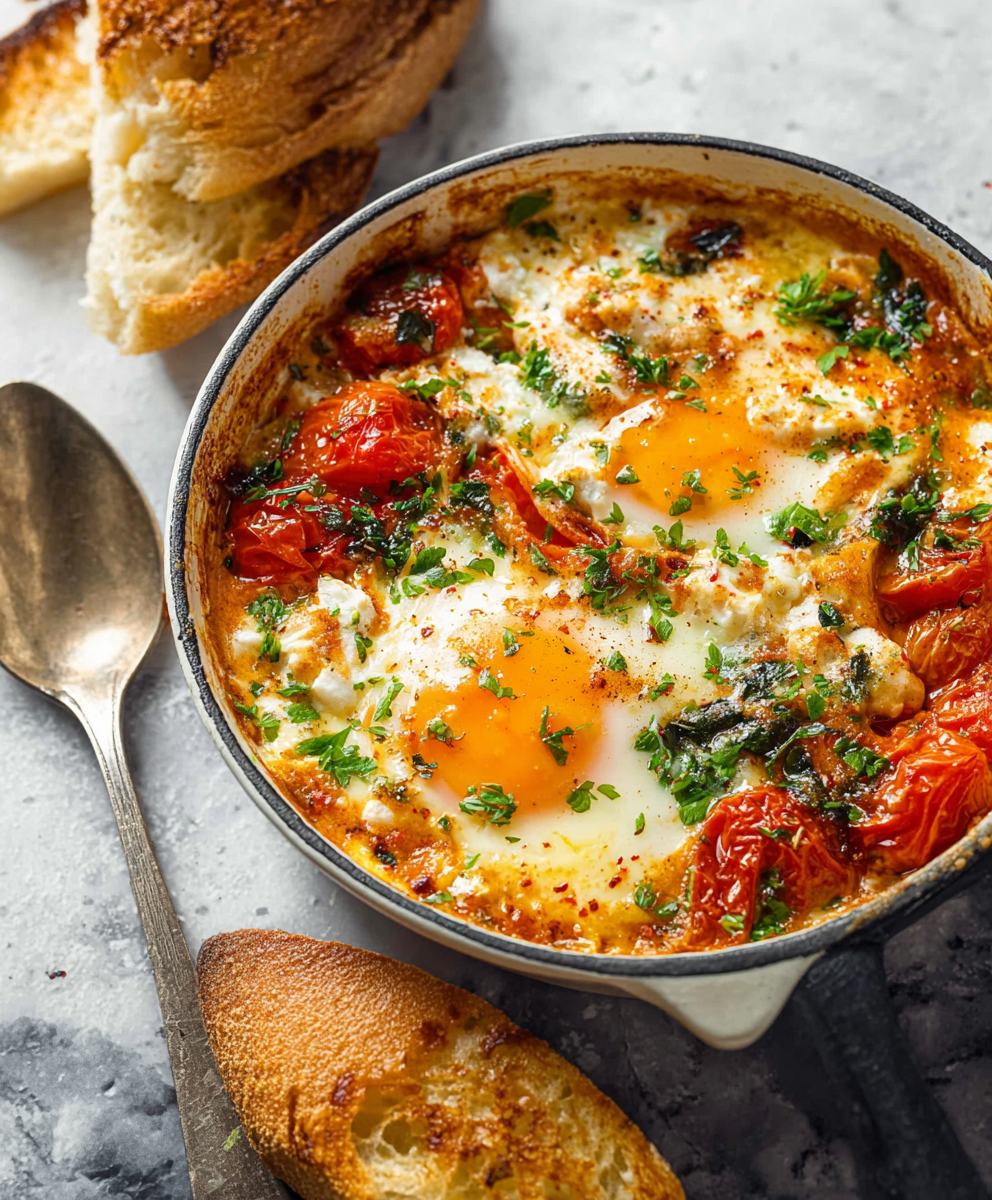
A simple, vibrant baked egg dish: tangy feta melting into roasted cherry tomatoes with spinach and fragrant herbs. Perfect for brunch or an easy dinner.
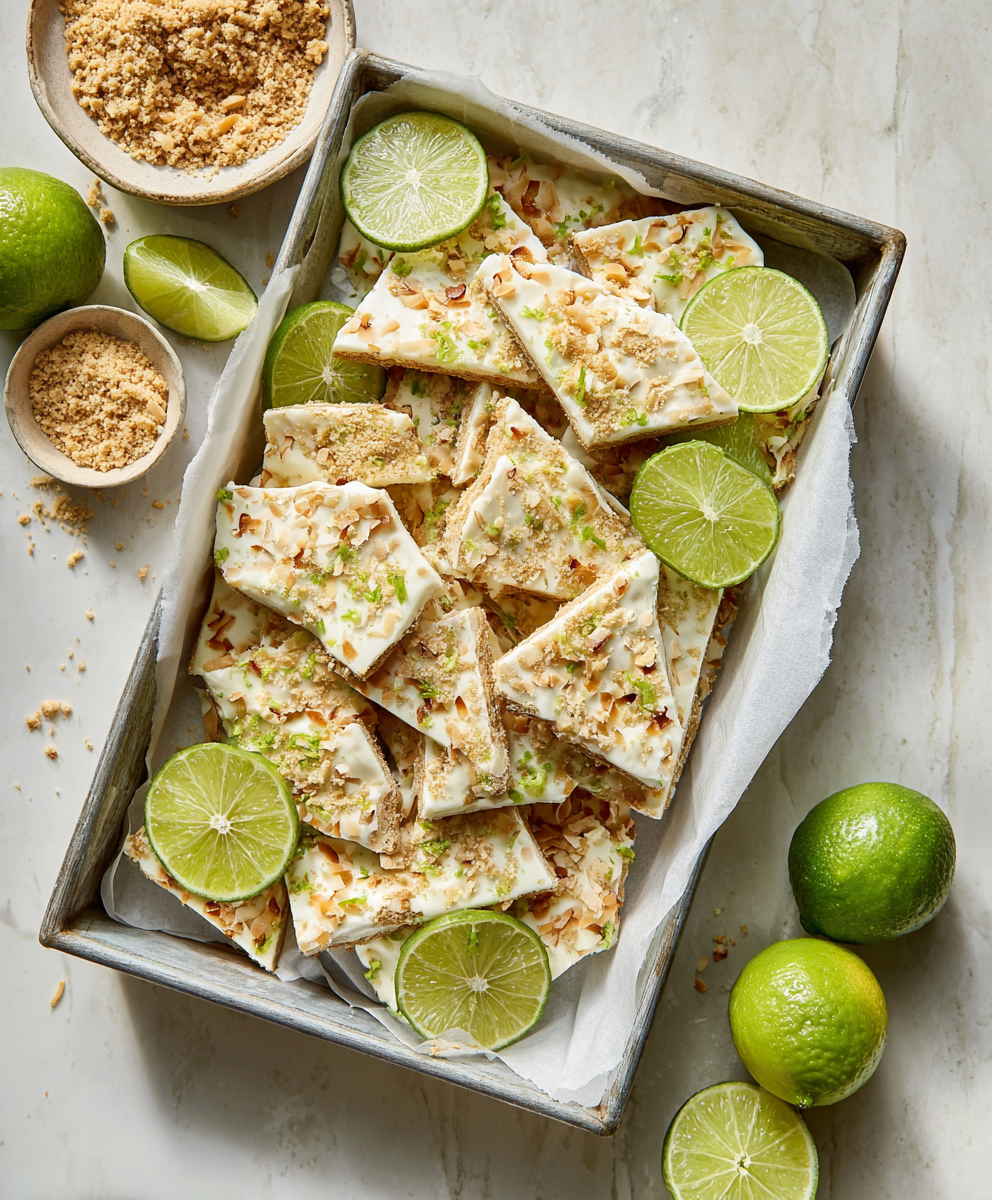
A bright, tangy frozen treat that tastes like mini key lime pies. Creamy Greek yogurt, fresh lime, crunchy gluten-free crumbs, and toasted coconut come together for a protein-packed snack.
Leave a comment & rating below or tag @yummyhues on social media!
Enjoyed this recipe? Share it with friends and family, and don't forget to leave a review!
This recipe looks amazing! Can't wait to try it.
Comments are stored locally in your browser. Server comments are displayed alongside your local comments.

Join to receive our email series which contains a round-up of some of our quick and easy family favorite recipes.