>>
30-MINUTE MEALS! Get the email series now →


A tender, buttery 9-inch cake with a golden top and fine crumb — simple ingredients and timeless technique for an everyday French-inspired treat.
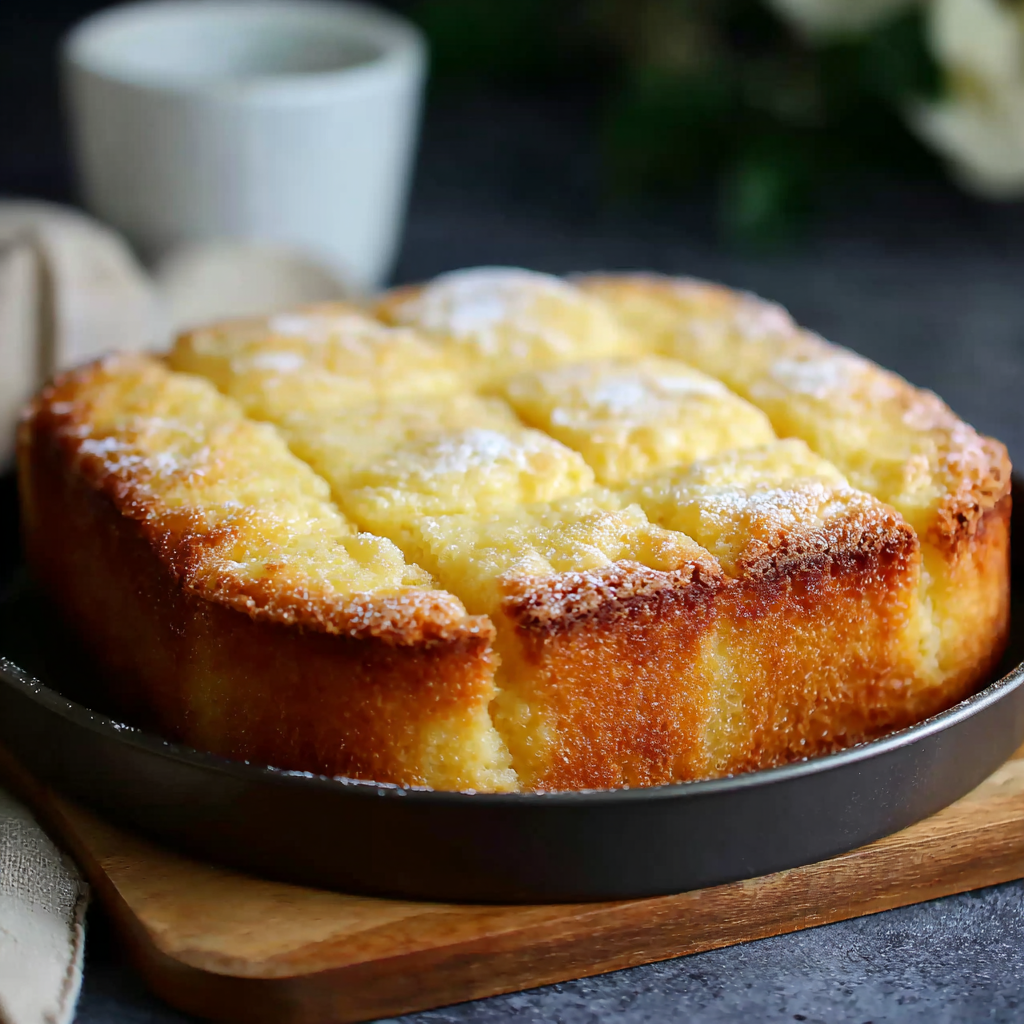
This French butter cake has been my weekend treat and a quiet ritual for years. I discovered the version that became mine on a rainy Saturday afternoon, testing the balance between butter, eggs, and sugar until the texture felt like velvet in the spoon. It was the kind of success that made me turn the oven on every other day: simple ingredients sourced from the pantry transforming into something unexpectedly special. This cake is about pure flavors — real butter, fresh eggs, and vanilla — that come together to produce a tender crumb and a buttery aroma that fills the kitchen.
I first served this cake at a small family gathering where the goal was comfort, not ceremony. People reached for second slices without hesitation. The top browns to a warm golden shade while the interior remains soft and close-grained, making each bite both rich and airy. It’s the sort of cake that tastes like a memory: a bakery note, a grandmother’s pan, and the comfort of uncomplicated baking. If you like plain cake with an exceptional texture and deep butter flavor, this one will likely be in your regular rotation.
I remember the first time I used this method for creaming butter and sugar: the mixture turned almost pale and double in volume, which made the difference between a dense cake and this light, buttery result. My family noticed the texture immediately and began asking how I achieved that bakery-like crumb. Over time I adjusted minor details — using room-temperature eggs, sifting flour gently, and resisting the urge to overmix — and the outcome improved each time.
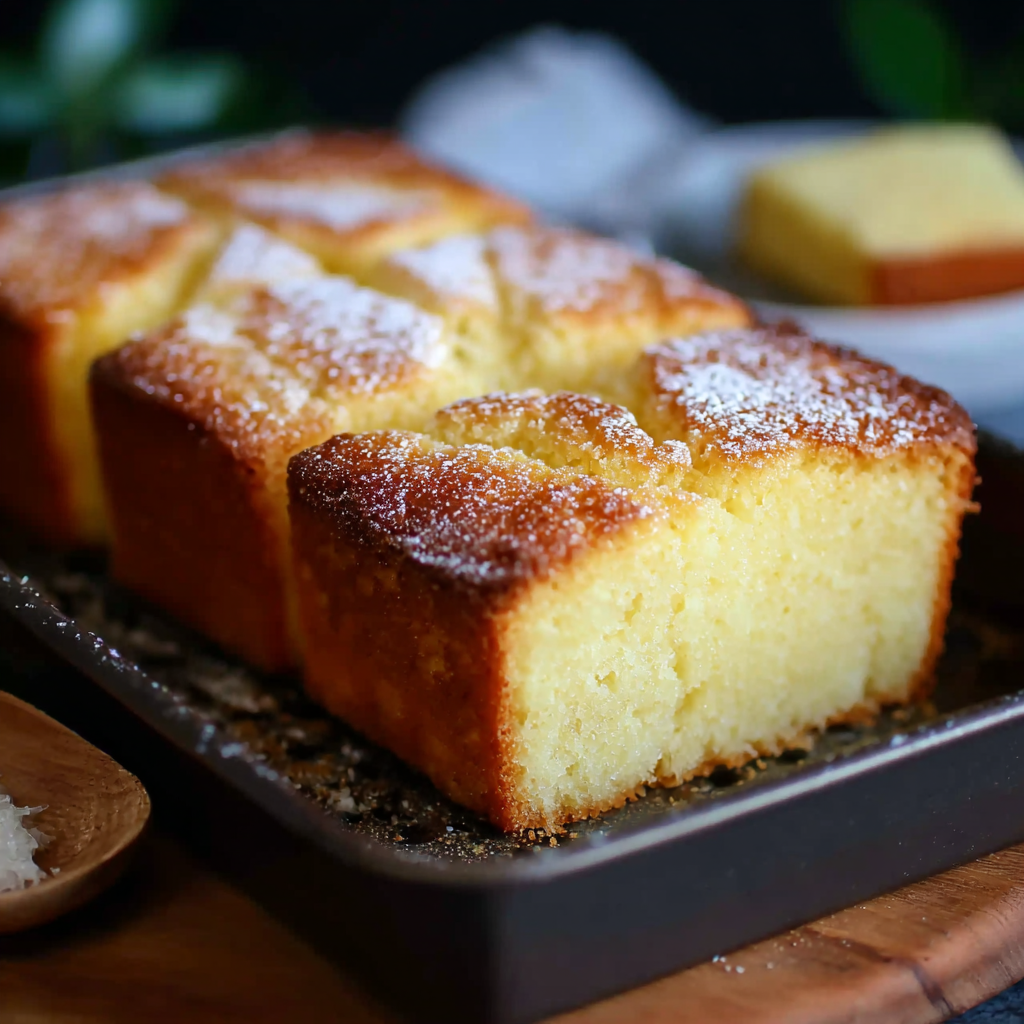
My favorite thing about this cake is how forgiving it is: even when my timing is not perfect or the oven runs a few degrees off, the flavor carries the day. Family members often remark that it tastes like a bakery treat despite the minimal effort, and that encourages me to keep this recipe in regular rotation for both weekday tea and weekend guests. The subtle vanilla and butter balance means you can adapt it to many toppings without losing the core identity.
For short-term storage, keep the cake covered at room temperature in a cake keeper or wrapped in plastic wrap for up to 48 hours; the crumb remains tender and the crust stays pleasantly soft. For longer storage, wrap slices individually in plastic and place in an airtight container in the freezer for up to 3 months. When reheating from frozen, thaw in the refrigerator overnight and warm in a 300°F oven for 10–12 minutes to revive the crust without drying the interior. Avoid microwaving for long periods — it can make the crumb gummy.
If you’d like a lighter crumb, swap 1/4 cup of the all-purpose flour for cake flour and sift it in; you’ll notice a more delicate texture. For a dairy swap, use a high-quality non-dairy butter and an unsweetened plant milk with a tablespoon of oil added to mimic the fat content; results will be slightly different in flavor and mouthfeel. To reduce richness, replace heavy cream with whole milk as noted in the ingredients; the cake will still be tender but a touch less luxurious.
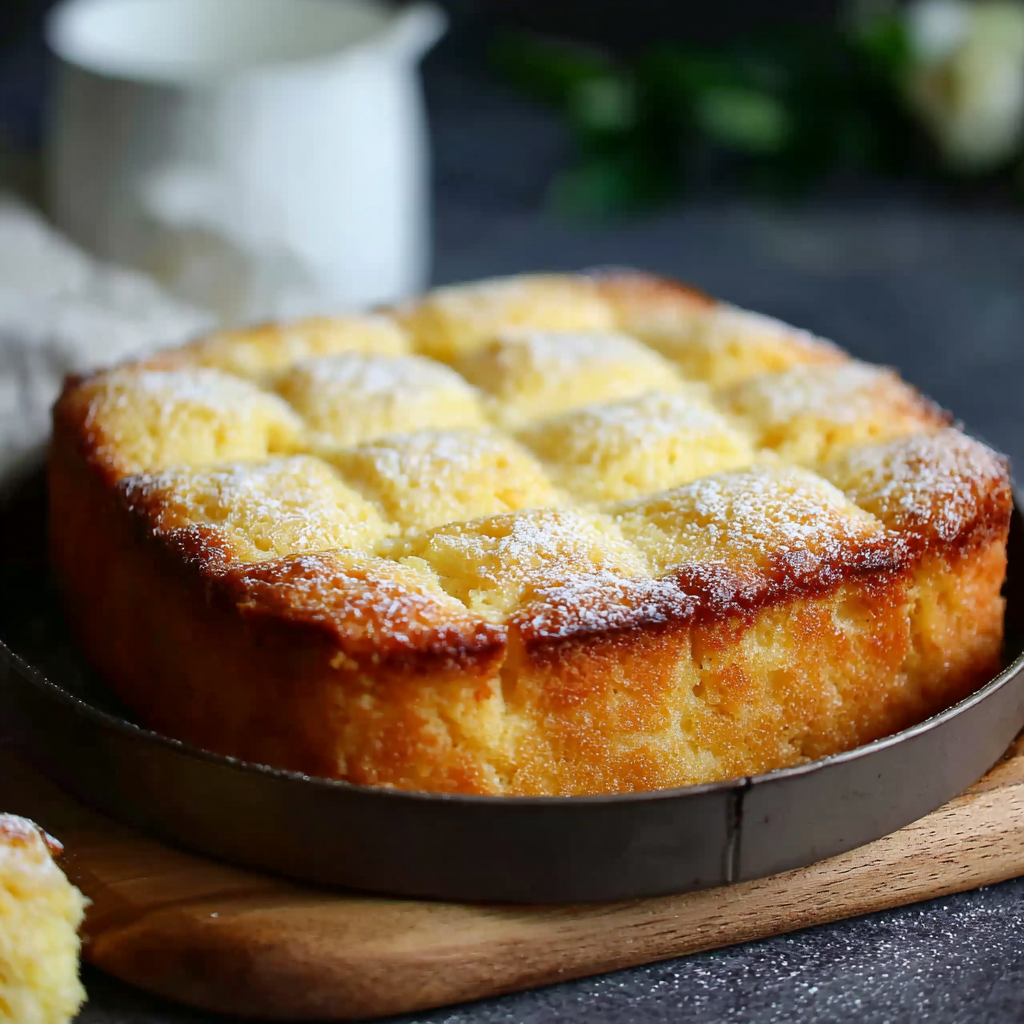
Serve slices with a dusting of powdered sugar for a classic look, or top with a spoonful of lightly sweetened whipped cream and seasonal berries to make it a light celebration dessert. For breakfast, warm a slice and spread a thin layer of marmalade or apricot jam. At afternoon tea, pair it with a floral black tea or a bright espresso — the butter and vanilla harmonize across both hot beverages and fruit accompaniments.
While not a single named classic from French pâtisserie, this style of plain butter cake reflects the French love of high-quality butter and simple technique. It sits alongside loaf cakes and butter-rich tarts in households where flavor comes from ingredients rather than heavy frosting. The approach — careful creaming, proper folding, restrained mixing — borrows from traditional European methods that emphasize texture and ingredient quality over decoration.
Spring calls for a light lemon glaze and raspberries; in autumn add a teaspoon of ground cinnamon and top with poached pears. At holiday time fold in 1/2 cup finely chopped toasted nuts and a tablespoon of dark rum-soaked dried fruit for a more festive version. These small additions change the mood while keeping the buttery heart of the cake intact.
To use this cake for meal prep, slice into portions and store individually wrapped in the refrigerator for up to five days, or freeze portions for longer enjoyment. Label containers with the date and reheat gently in a low oven to refresh. Because it’s not frosted, it travels well for packed lunches or potlucks and is easy to portion ahead of time.
This cake invites experimentation: try different extracts, fold in citrus zest, or serve with a single scoop of plain ice cream. It’s simple enough to bake frequently and special enough to share — bake once and I think you’ll find many reasons to make it again.
Ensure butter and eggs are at room temperature for a smooth, stable batter and better rise.
Do not overmix after adding flour; stop when there are no dry streaks to avoid developing gluten.
If the top browns too fast, tent with foil for the last 10–15 minutes of baking.
This nourishing classic french butter cake recipe is sure to be a staple in your kitchen. Enjoy every moist, high protein slice — it is perfect for breakfast or as a wholesome snack any time.
Yes. Wrap tightly and freeze for up to 3 months. Thaw overnight in the refrigerator and warm briefly in a low oven before serving.
Room-temperature eggs blend more easily and help create a stable emulsion, resulting in a lighter texture and better rise.
This Classic French Butter Cake recipe makes perfectly juicy, tender, and flavorful steak every time! Serve with potatoes and a side salad for an unforgettable dinner in under 30 minutes.
Preheat oven to 350°F (175°C). Grease a 9-inch cake pan and line the bottom with parchment paper for easier release.
Beat softened butter and sugar for 3–5 minutes on medium-high until pale and fluffy to incorporate air for lift.
Add eggs one at a time, beating after each addition to keep the emulsion stable. Stir in vanilla until combined.
Whisk flour, baking powder, and salt in a separate bowl to distribute leavening evenly before adding to wet ingredients.
With mixer on low, add dry ingredients until just incorporated, then pour in milk and mix until smooth without overbeating.
Pour batter into prepared pan and bake 40–50 minutes until golden and a toothpick comes out clean. Tent with foil if browning too fast.
Cool in pan 10–15 minutes, transfer to a wire rack to cool completely, dust with powdered sugar or serve plain.
Last Step: Please leave a rating and comment letting us know how you liked this recipe! This helps our business to thrive and continue providing free, high-quality recipes for you.
Leave a comment & rating below or tag
@yummyhues on social media!
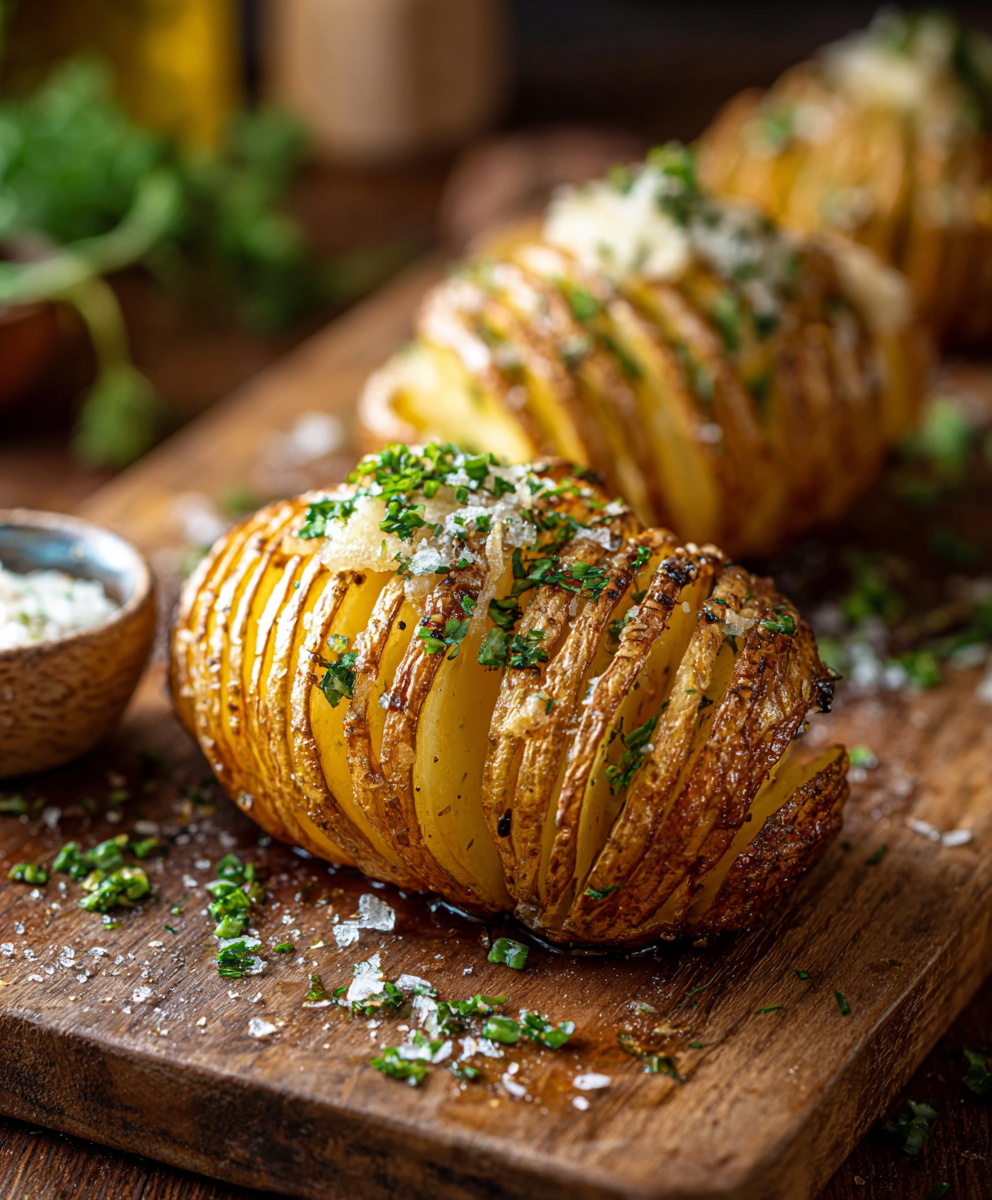
Thinly sliced russet potatoes brushed with butter and baked until the edges are crisp and the centers are tender.
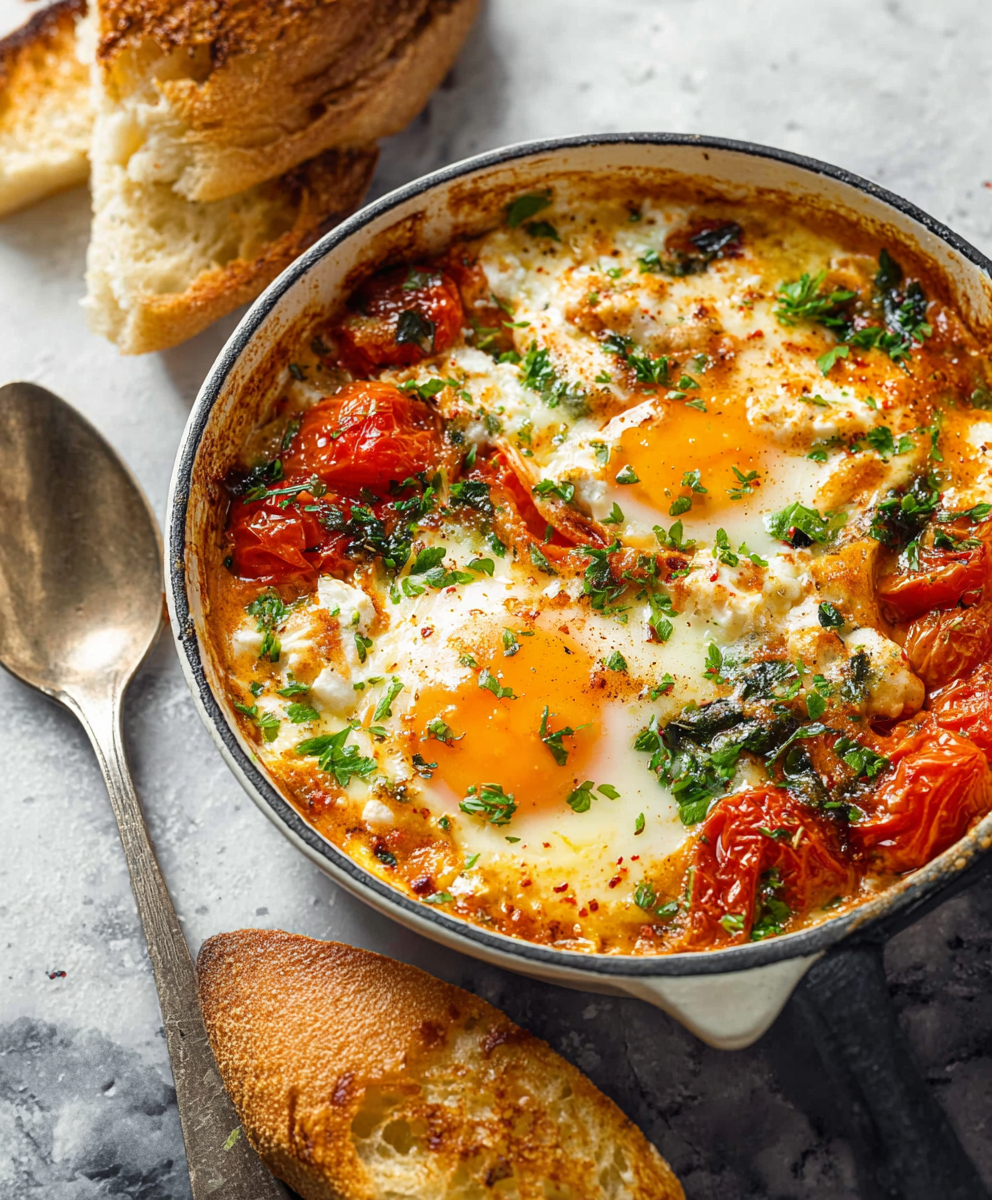
A simple, vibrant baked egg dish: tangy feta melting into roasted cherry tomatoes with spinach and fragrant herbs. Perfect for brunch or an easy dinner.
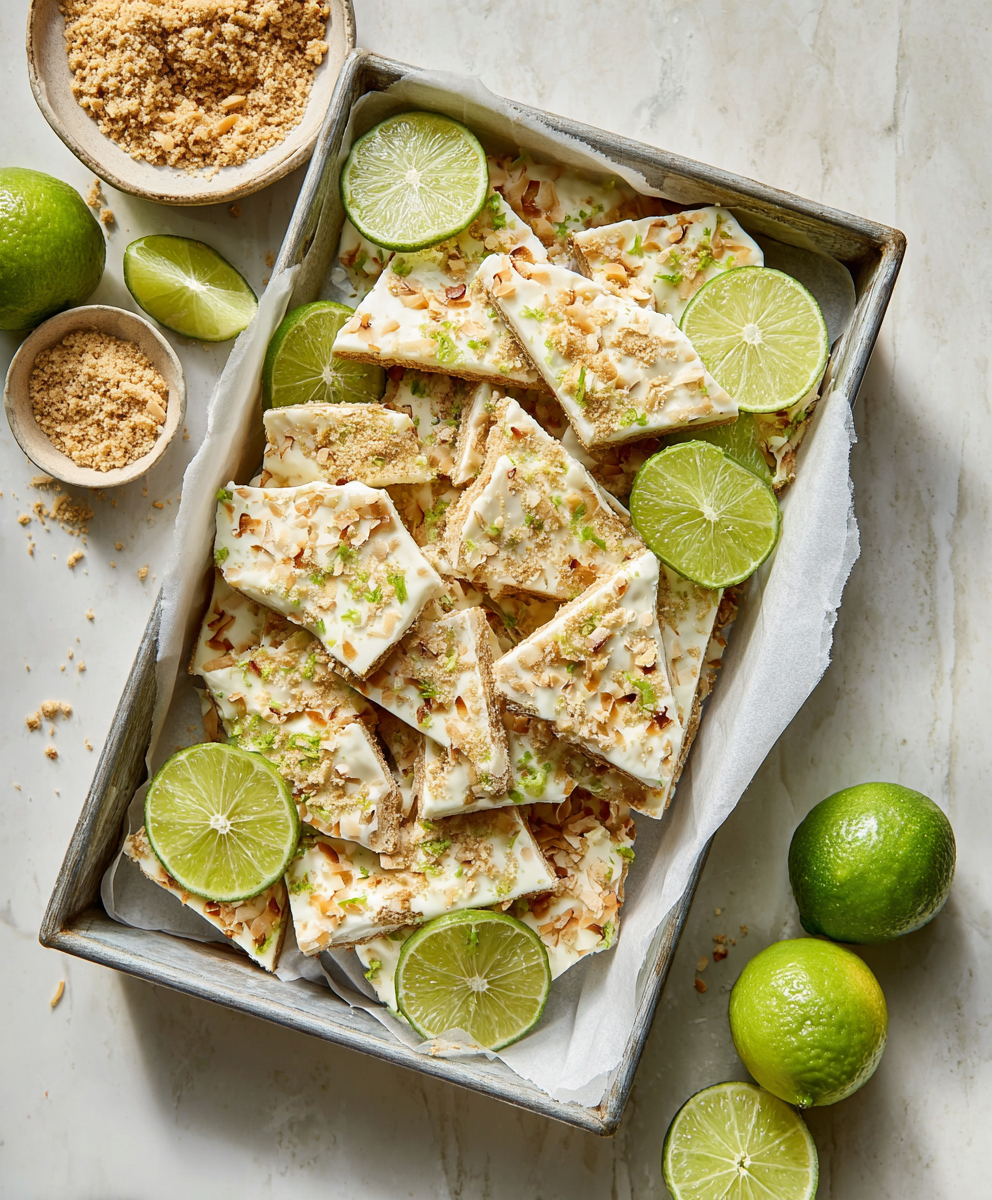
A bright, tangy frozen treat that tastes like mini key lime pies. Creamy Greek yogurt, fresh lime, crunchy gluten-free crumbs, and toasted coconut come together for a protein-packed snack.
Leave a comment & rating below or tag @yummyhues on social media!
Enjoyed this recipe? Share it with friends and family, and don't forget to leave a review!
This recipe looks amazing! Can't wait to try it.
Comments are stored locally in your browser. Server comments are displayed alongside your local comments.

Join to receive our email series which contains a round-up of some of our quick and easy family favorite recipes.