
Chewy Sugar Cookies

Soft, chewy sugar cookies with a tender center and slightly crisp edges — simple ingredients, straightforward technique, and the perfect cookie to share.
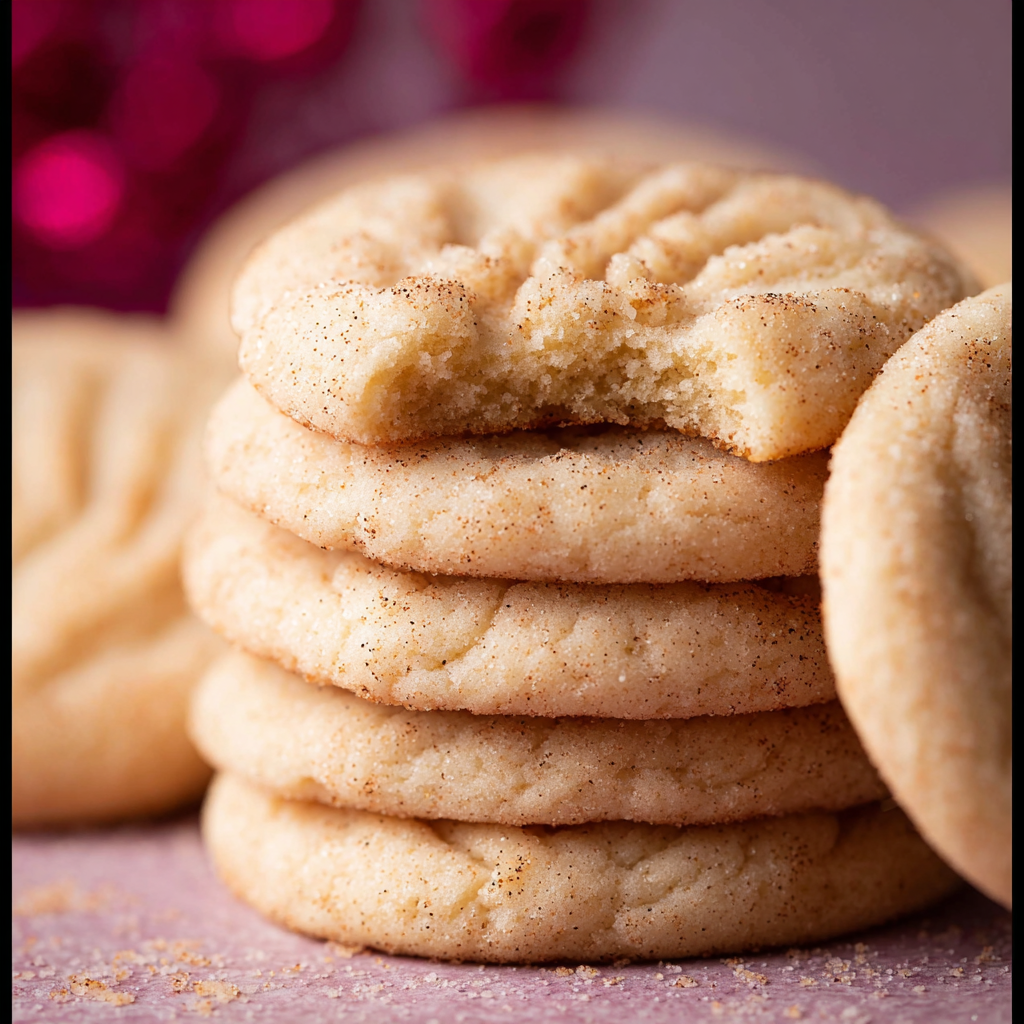
This batch of chewy sugar cookies has been my simple celebration staple for as long as I can remember. I first landed on this exact balance of ingredients on a rainy Saturday when I wanted a cookie with a tender, chewy center and a thin golden edge — something that would feel special but be easy enough for a weeknight bake. The dough is forgiving, the technique relies on basic mixing and a short chill, and the result is a cookie that stays soft for days when stored properly. Every time I bring a plate of these to a gathering, people ask for the recipe and inevitably someone compares them fondly to their favorite bakery version.
What makes these stand out is texture: chew from the butter-to-sugar ratio and a gentle amount of flour, plus a single egg for richness. The exterior gets just enough sugar for a little sparkle and bite, while the interior remains pillowy. I discovered a few small tricks through trial — use very softened (not melted) butter, measure flour by spooning and leveling, and don’t overbake. Those adjustments transformed a decent cookie into the one I now bake on repeat for birthdays, teacher gifts, and impromptu coffee visits.
Why You'll Love This Recipe
- Ready in about 30–40 minutes from start to finish (including a short chill) — quick enough for a last-minute treat yet impressive enough for guests.
- Uses pantry-friendly staples: all-purpose flour, granulated sugar, butter, an egg and vanilla — no specialty flours or odd extracts.
- Produces reliably chewy centers and thin, slightly crisp edges when you follow the simple timing and temperature cues.
- Make-ahead friendly: dough can be chilled up to 48 hours or frozen for longer; cookies freeze beautifully for grab-and-go treats.
- Crowd-pleasing and easy to adapt: roll in colored sugar for holidays, fold in citrus zest for brightness, or sandwich with jam for a quick upgrade.
I’ve brought these to holiday cookie swaps and weekday coffee breaks; the reactions are always the same — people comment on the soft chew and ask for tips. My kids love to help roll the dough in extra sugar, and that little ritual makes the batch feel like a family affair every time.
Ingredients
- All-purpose flour (2 3/4 cups): Spoon the flour into your measuring cup and level it off with a knife for the most consistent texture — I use King Arthur or Gold Medal for reliable results. This amount builds a tender structure without making the cookies cakey.
- Baking powder (1/2 teaspoon): Gives a subtle lift so the cookies spread nicely without becoming flat; use fresh baking powder for best rise.
- Baking soda (1/2 teaspoon): Reacts with the butter and provides a hint of browning at the edges for texture contrast.
- Salt (1/2 teaspoon): Balances sweetness and enhances flavor — use fine sea salt or table salt measured by teaspoon.
- Granulated sugar (1 cup + 1/4 cup for rolling): I recommend C&H or Domino; 1 cup creamed with butter helps build the chew, while the extra 1/4 cup creates a sparkly, slightly crunchy exterior.
- Unsalted butter (1 cup / 227 g), very softened: Bring butter to very soft but not melted — it should still hold its shape yet be tender enough to cream. Plugrá or European-style butter works well for deeper flavor, but standard unsalted butter is perfectly fine.
- Egg (1, room temperature): Adds moisture and structure; room-temperature eggs emulsify better with the butter and sugar.
- Vanilla extract (2 teaspoons): Use pure vanilla extract for best flavor; a premium brand makes a subtle but noticeable difference.
Instructions
Prepare the dry mixture: In a medium bowl, whisk together 2 3/4 cups all-purpose flour, 1/2 tsp baking powder, 1/2 tsp baking soda, and 1/2 tsp salt until evenly combined. Sifting is optional, but whisking removes lumps and ensures an even distribution of leavening agents — this prevents pockets of baking soda that can cause uneven browning. Cream butter and sugar: In a large bowl using an electric mixer on medium speed, beat 1 cup (227 g) very softened unsalted butter with 1 cup granulated sugar until light and fluffy, about 2–3 minutes. Scrape down the bowl halfway through. Proper creaming incorporates air which helps with texture; the mixture should look paler and slightly increased in volume. Incorporate egg and vanilla: Add the room-temperature egg and 2 tsp vanilla to the creamed butter and sugar. Beat on low until just combined. Overmixing once the egg is added can create too much gluten development, so mix until homogeneous. Combine wet and dry: With the mixer on low, gradually add the dry flour mixture to the butter mixture in two additions, mixing just until no streaks of flour remain. The dough should be soft, slightly tacky, and easy to handle; if it’s sticky, chill briefly to firm up for rolling. Chill the dough (optional but recommended): Cover the dough and chill for 15–30 minutes for easier handling and slightly thicker cookies. If you prefer thinner cookies, skip the chill. Chilling also helps the flavors meld and prevents excessive spread in the oven. Shape and sugar the dough: Preheat your oven to 350°F (175°C). Scoop rounded tablespoons of dough (about 1 tablespoon per cookie for small cookies or 1.5 tablespoons for larger ones) and roll into balls. Roll each ball in the extra 1/4 cup granulated sugar until evenly coated. Place on a parchment-lined baking sheet about 2 inches apart. Bake and cool: Bake 8–10 minutes, rotating the pan halfway through. The edges should be set and just beginning to brown while the centers look slightly underbaked — that’s the cue for a chewy center. Let cookies cool on the sheet for 5 minutes, then transfer to a wire rack to cool completely.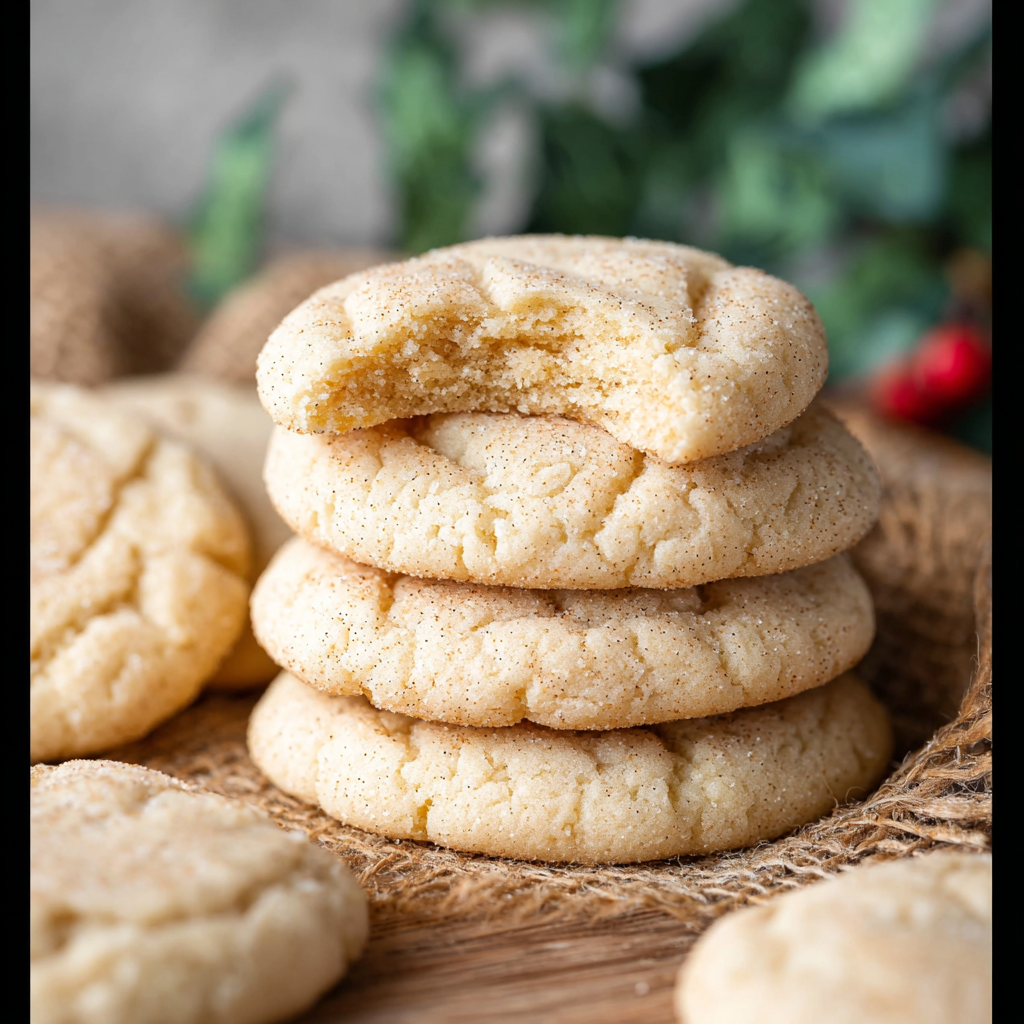
You Must Know
- These keep well at room temperature in an airtight container for up to 4 days; refrigerate for up to 1 week or freeze baked cookies for up to 3 months.
- For the chewiest result, remove cookies from the oven when centers still look slightly soft; carryover heat finishes the bake.
- Dough can be chilled up to 48 hours — longer chilling develops flavor and reduces spread.
- High-altitude adjustments: reduce baking powder by 1/8 teaspoon and increase oven temp by 10–15°F if needed.
My favorite part of these is the memories made while rolling them in sugar — my kids insist on doing it, and it turns baking into a cozy ritual. A neighbor once told me these reminded her of cookies from her childhood, which is exactly the kind of warmth I aim for when baking at home.

Storage Tips
Store completely cooled cookies in an airtight container layered with parchment paper at room temperature for up to 4 days. If you prefer them softer after a day or two, add a slice of bread to the container — the cookies will absorb moisture from the bread and soften slightly. For longer storage, freeze baked cookies in a single layer on a sheet pan until solid, then transfer to a freezer-safe bag for up to 3 months. To thaw, leave at room temperature for 30–60 minutes or warm gently in a 300°F oven for 4–6 minutes to refresh the texture.
Ingredient Substitutions
If you need to swap ingredients, use the following guidance: replace unsalted butter with salted butter but omit the added salt; use a 1:1 vegan butter substitute for a dairy-free version (note texture will vary slightly). For gluten-free, use a high-quality 1:1 all-purpose gluten-free flour blend and chill the dough a touch longer to prevent over-spreading. Brown sugar can replace up to 1/2 cup of granulated sugar for a chewier, deeper-flavored cookie; reduce oven time by a minute or two to avoid overbrowning.
Serving Suggestions
Serve warm with a glass of milk or a cup of coffee. For a festive touch, roll the dough in colored sanding sugar for holidays, top with a light sprinkle of flaked sea salt after baking for contrast, or sandwich two cookies with jam, lemon curd, or buttercream. These are elegant plated with fresh berries or a dusting of powdered sugar for a simple dessert at dinner parties.
Cultural Background
Sugar cookies have roots in European baking traditions and became popular in the United States in the 19th century as refined sugar became affordable. They evolved into countless regional variations — from thick, shortbread-like rounds to thin, crisp wafers. The classic rounded, sugared cookie is a staple at American holiday tables, often decorated with icing or sanding sugar. My approach focuses on American-style chew — tender interior with a delicate edge — influenced by decades of family recipes and small technique tweaks.
Seasonal Adaptations
Adjust the cookies for each season: in winter add 1/2 teaspoon ground cinnamon and a pinch of nutmeg; in spring fold in 1 tablespoon lemon zest and replace 1 tablespoon of flour with cornstarch for an ultra-tender bite. For summer, add 1 teaspoon orange zest and roll in coarse sugar mixed with a touch of citrus. During holidays, press a small well into the center before baking and fill with jam after cooling for thumbprint-style cookies.
Meal Prep Tips
Make dough ahead and portion into tablespoon-sized balls on a parchment-lined tray, then freeze the tray until solid and transfer the balls to a zip-top bag. Bake straight from frozen — add 1–2 minutes to the bake time. For weekday snacks, bake a full sheet and store half in the freezer. Reheat gently in a low oven or microwave for 6–8 seconds for a fresh-baked feel.
These cookies are simple, adaptable, and resilient — once you find the right balance of chilling, shape, and bake time in your oven, you’ll keep coming back to this formula for every occasion. Enjoy the process, and don’t hesitate to make them your own.
Pro Tips
Measure flour by spooning into the cup and leveling — avoid scooping directly from the bag to prevent dense cookies.
Use very softened (not melted) butter so it creams properly with sugar and traps air for a tender texture.
Remove cookies from the oven when centers still look slightly soft; they’ll firm up as they cool for a chewy interior.
This nourishing chewy sugar cookies recipe is sure to be a staple in your kitchen. Enjoy every moist, high protein slice — it is perfect for breakfast or as a wholesome snack any time.
FAQs about Recipes
Do I need to chill the dough?
Chill the dough for 15–30 minutes for easier handling and slightly thicker cookies; you can chill up to 48 hours for more developed flavor.
How do I know when the cookies are done?
Bake until edges are set and centers look slightly underbaked, about 8–10 minutes at 350°F. Carryover heat finishes the cook and keeps the center chewy.
Tags
Chewy Sugar Cookies
This Chewy Sugar Cookies recipe makes perfectly juicy, tender, and flavorful steak every time! Serve with potatoes and a side salad for an unforgettable dinner in under 30 minutes.
Instructions
Prepare the dry mixture
Whisk together 2 3/4 cups all-purpose flour, 1/2 tsp baking powder, 1/2 tsp baking soda, and 1/2 tsp salt in a medium bowl until evenly combined.
Cream butter and sugar
Beat 1 cup very softened unsalted butter with 1 cup granulated sugar until light and fluffy, about 2–3 minutes; scrape down the bowl halfway through.
Add egg and vanilla
Mix in 1 room-temperature egg and 2 tsp vanilla until just combined; avoid overmixing to prevent excess gluten development.
Combine wet and dry
Add the dry mixture to the wet ingredients in two additions on low speed, mixing until no streaks of flour remain and the dough comes together.
Chill the dough (optional)
Cover and chill dough 15–30 minutes for easier shaping and reduced spread; chill up to 48 hours if preparing ahead.
Shape and roll in sugar
Preheat oven to 350°F. Scoop rounded tablespoons of dough, roll into balls and coat in 1/4 cup granulated sugar. Place 2 inches apart on parchment-lined sheets.
Bake and cool
Bake 8–10 minutes until edges are set and centers look slightly soft. Cool on the sheet 5 minutes, then transfer to a wire rack to cool completely.
Last Step: Please leave a rating and comment letting us know how you liked this recipe! This helps our business to thrive and continue providing free, high-quality recipes for you.
Nutrition
Did You Make This?
Leave a comment & rating below or tag
@yummyhues on social media!
Categories:
You might also like...
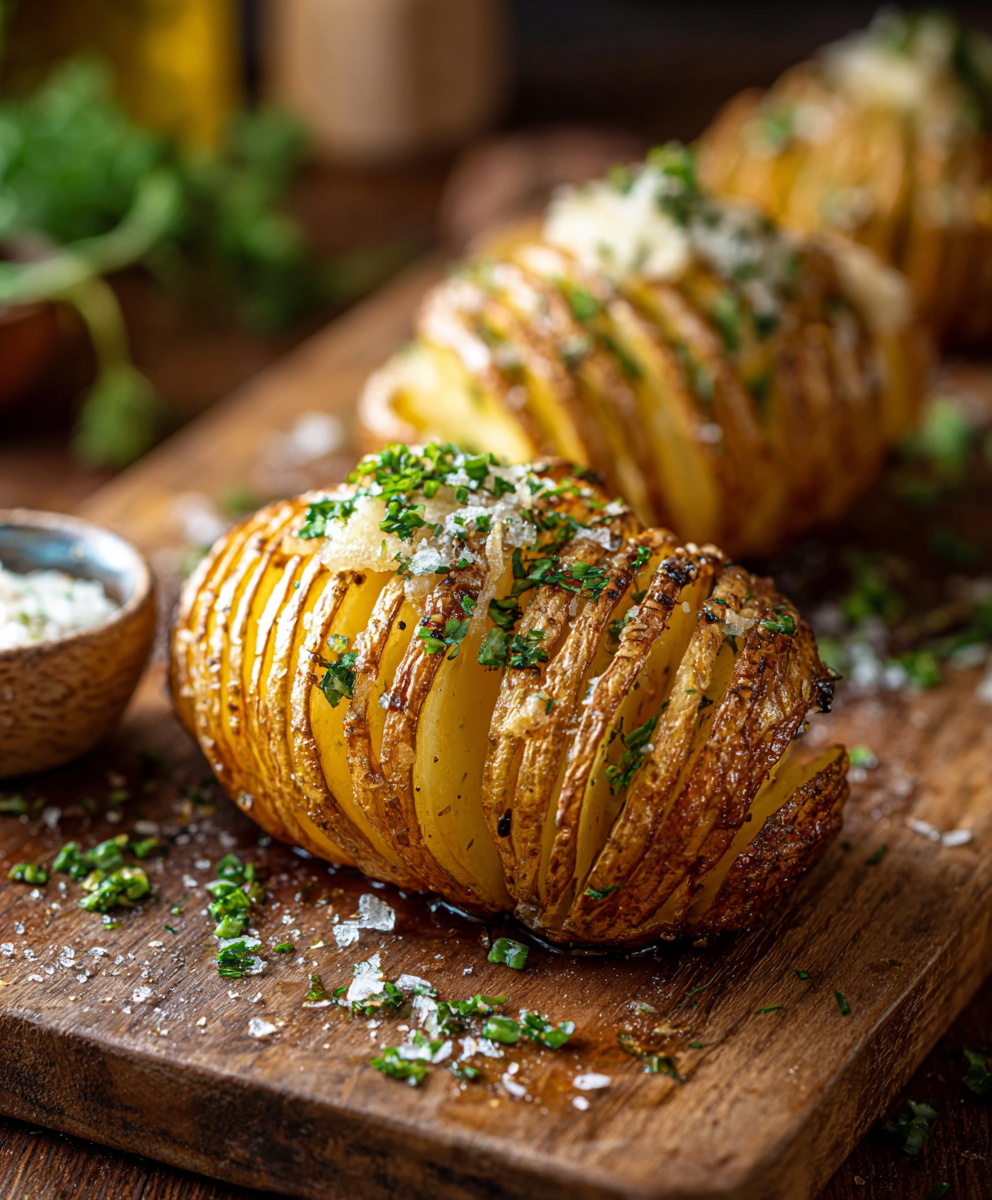
Crispy Hasselback Potatoes
Thinly sliced russet potatoes brushed with butter and baked until the edges are crisp and the centers are tender.
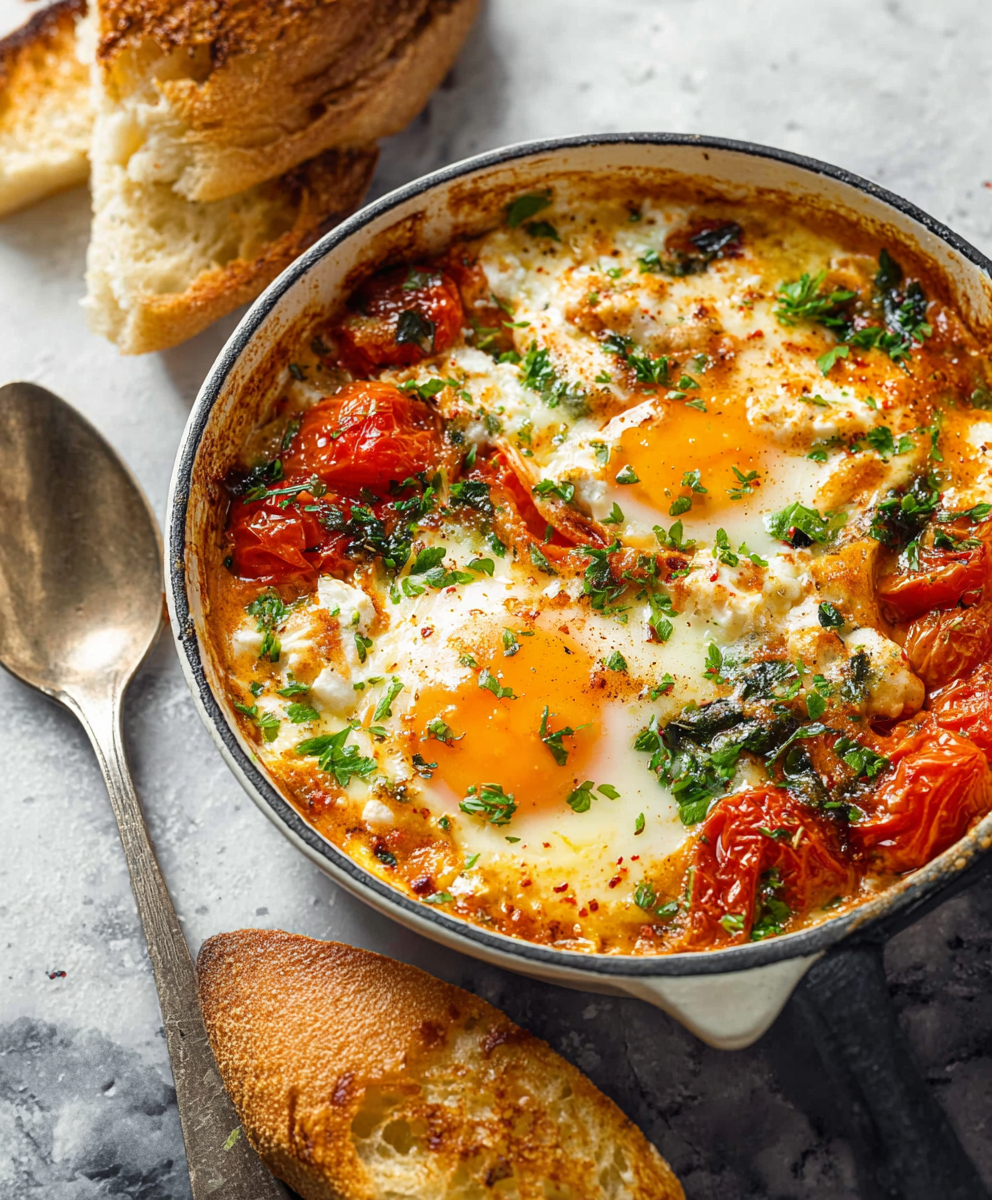
Baked Feta Eggs with Roasted Tomatoes and Spinach
A simple, vibrant baked egg dish: tangy feta melting into roasted cherry tomatoes with spinach and fragrant herbs. Perfect for brunch or an easy dinner.
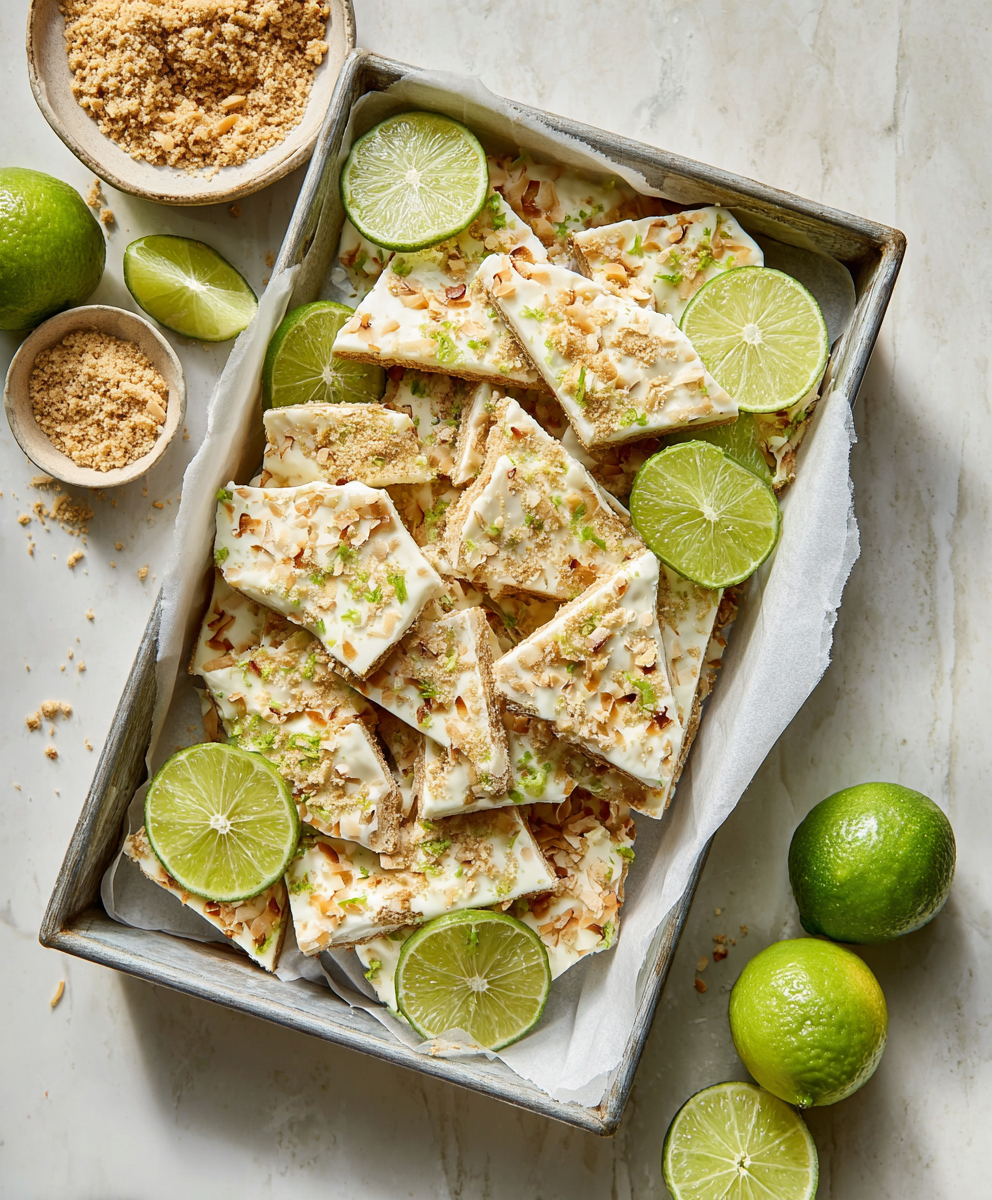
Key Lime Pie Yogurt Bark
A bright, tangy frozen treat that tastes like mini key lime pies. Creamy Greek yogurt, fresh lime, crunchy gluten-free crumbs, and toasted coconut come together for a protein-packed snack.
Did You Make This?
Leave a comment & rating below or tag @yummyhues on social media!
Rate This Recipe
Share This Recipe
Enjoyed this recipe? Share it with friends and family, and don't forget to leave a review!
Comments (1)
This recipe looks amazing! Can't wait to try it.
Comments are stored locally in your browser. Server comments are displayed alongside your local comments.

Hi, I'm Chloe!
What's Popular
30-Minute Meals!
Join to receive our email series which contains a round-up of some of our quick and easy family favorite recipes.